11 Best Publishing Platforms for Authors in 2026
Summarize this blog with your favorite AI:
Best Publishing Platforms for Authors – TL;DR
Choosing the best publishing platforms for authors depends on how you balance reach, control, and revenue. Marketplace platforms help you gain visibility quickly but often limit ownership and flexibility. Direct publishing platforms give you more control over pricing, distribution, and reader relationships.
Authors who focus only on short-term reach often miss long-term growth opportunities. A strong strategy combines discoverability with ownership and scalability. The right platform should support both audience growth and content control as your publishing journey evolves.
Quick decision guide:
| Your Goal | Recommended Platform Type | What to Prioritize | Key Trade-Off | Platform Fit |
|---|---|---|---|---|
| Maximize visibility and sales | Marketplace platforms | Discoverability and reach | Lower control over pricing and audience | KITABOO, Amazon KDP, Google Play Books |
| Build direct reader relationships | Direct publishing platforms | Ownership and access control | Slower initial reach | KITABOO |
| Expand across multiple stores | Aggregators | Wide distribution | Less control over individual channels | Smashwords |
| Publish print and digital formats | Hybrid platforms | Format flexibility | More setup and management effort | KITABOO, Lulu, Blurb |
| Grow audience before monetization | Community platforms | Engagement and feedback | Limited direct revenue options | Wattpad |
You publish your book, and it goes live within minutes, and it even starts gaining visibility. However, over time, you realize you have limited control over pricing, distribution, and how readers access your content. Growth becomes dependent on platform rules rather than your own strategy.
Many authors face such challenges. Choosing the wrong platform early can impact long-term revenue, audience ownership, and scalability. While some platforms focus on quick publishing and reach, others give you more control over how your content is distributed and monetized.
The best publishing platforms for authors help you balance visibility with control. They allow you to grow your audience, manage pricing, and build a sustainable publishing strategy. In this blog, we explore the top platforms and how to choose the right one for your goals.
What Are Publishing Platforms for Authors?
Publishing platforms for authors are tools that help you create, publish, and distribute your work in digital or print formats. They connect your content directly with readers across marketplaces or owned channels. These platforms allow authors to publish independently without relying on traditional publishing workflows.
Most publishing platforms also support formatting, pricing control, and distribution across multiple channels. Some focus on quick self-publishing, while others give more control over branding and audience access. Choosing the best publishing platforms for authors helps improve reach, revenue, and long-term growth.
Which Are the Best Publishing Platforms for Authors in 2026?
Not all platforms offer the same level of control, reach, or monetization options. The platforms below are evaluated based on key factors like distribution reach, pricing flexibility, content ownership, ease of use, and scalability.
1. KITABOO Enables Secure and Controlled eBook Publishing with Full Content Ownership

KITABOO enables authors to publish and distribute eBooks in a controlled and structured environment beyond traditional marketplaces. It supports interactive content, multimedia elements, and consistent formatting across devices without compromising quality. This makes it valuable for authors creating premium content, educational material, or professional publications that require more than static reading.
The platform allows authors to retain full control over pricing, access, and audience relationships without relying on third-party marketplaces. Features like DRM protection and reader analytics help secure content and track engagement in detail. Authors who want ownership, deeper insights, and long-term scalability can benefit significantly from this approach. However, its advanced capabilities are designed for structured publishing workflows and may require a more defined setup compared to basic self-publishing platforms.
Best For
Authors who want control, security, and direct audience access
Pros
- Interactive and media-rich content support
- Strong DRM and access control
- Reader engagement analytics
- Direct distribution capabilities
Cons
- Requires setup and onboarding
- Indie authors need a clear content and distribution strategy to fully leverage its capabilities
- Premium pricing for advanced features
- May feel complex because of the long list of features for beginners

2. Google Play Books Expands Global Reach with Flexible Pricing and Distribution
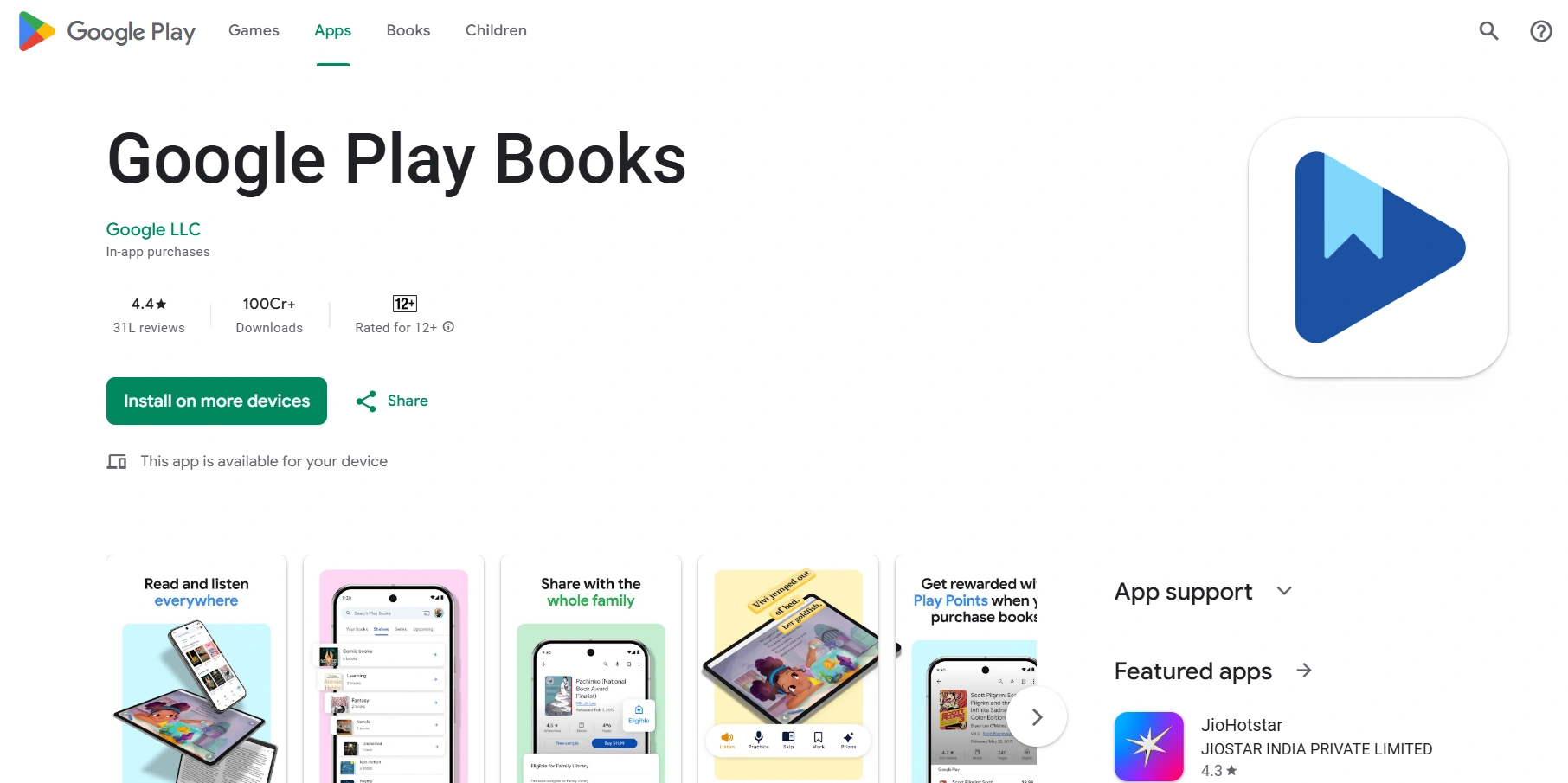
Google Play Books allows authors to publish and distribute eBooks across a global Android user base with minimal entry barriers. It supports flexible pricing, regional distribution control, and promotional discounts, which helps authors test different pricing strategies. This makes it especially useful for authors who want to expand internationally without committing to platform exclusivity.
The platform also provides detailed sales reports and allows authors to update content, pricing, and metadata easily from the dashboard. Authors who want consistent visibility across global markets can benefit from its wide storefront reach. However, it offers limited control over branding and reader relationships since distribution remains within the Google ecosystem.
Best For
Authors seeking global reach and flexible pricing control
Pros
- Strong global distribution
- Flexible pricing and promotions
- Supports multiple formats
- Detailed sales reporting
Cons
- Limited brand control
- No direct audience ownership
- Marketplace dependency
- Interface can feel complex
3. Amazon Kindle Direct Publishing (KDP) Maximizes Visibility Through a Large Marketplace
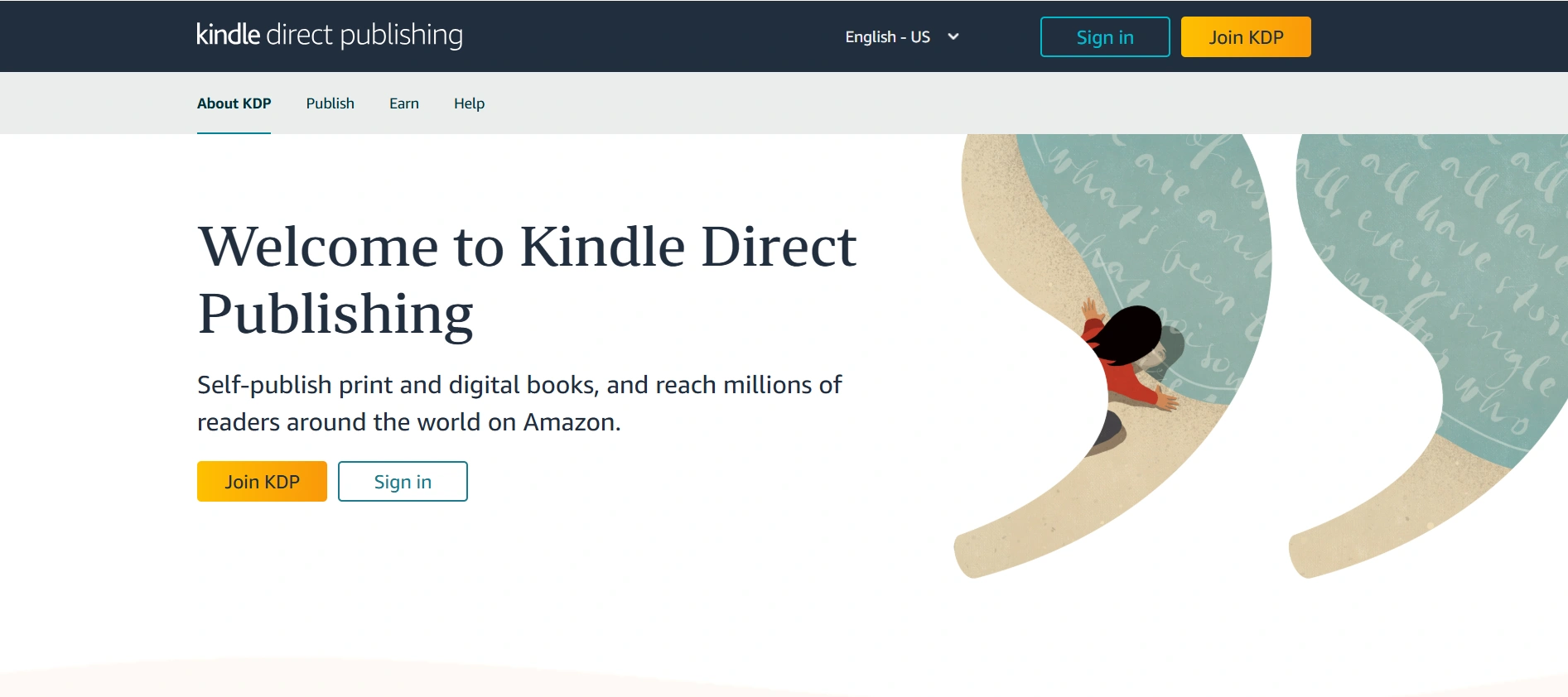
Amazon Kindle Direct Publishing allows authors to self-publish and access one of the largest eBook marketplaces globally. It offers strong discoverability through Amazon search and recommendation systems, which helps authors reach readers quickly. This makes it a strong option for authors focused on visibility, consistent sales, and marketplace-driven growth.
The platform includes tools for pricing, promotions, and royalty tracking through a structured dashboard. Authors can also enroll in programs like Kindle Unlimited to increase reach and recurring readership. However, heavy reliance on Amazon limits pricing flexibility and reduces direct ownership of audience relationships over time.
Best For
Authors focused on visibility and high sales potential
Pros
- Large global audience
- Easy publishing workflow
- Built-in promotional tools
- Strong discoverability
Cons
- High competition
- Marketplace dependency
- Limited audience ownership
- Pricing restrictions
4. Kobo Writing Life Supports International Distribution Without Exclusivity Restrictions
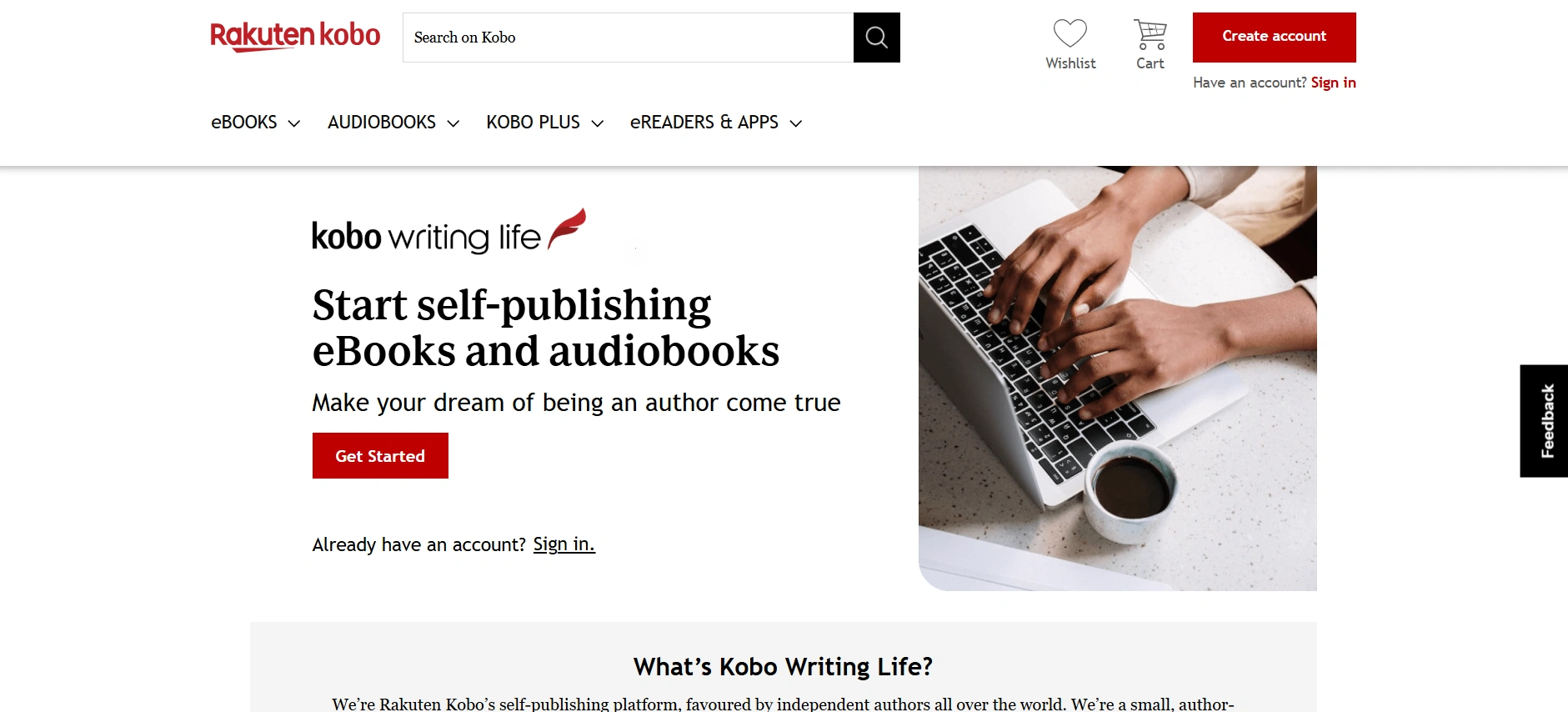
Kobo Writing Life allows authors to publish eBooks and distribute them across Kobo’s international network without exclusivity requirements. It supports flexible pricing across different regions, which helps authors target specific markets more effectively. This makes it useful for authors who want to expand beyond Amazon and diversify their distribution strategy.
The platform offers sales insights and promotional opportunities within its ecosystem to improve visibility. Authors can experiment with pricing and optimize distribution based on performance data. However, its audience size is smaller compared to larger platforms, which can impact discoverability and overall sales potential.
Best For
Authors targeting international and non-Amazon audiences
Pros
- International reach
- No exclusivity requirements
- Flexible pricing
- Sales analytics
Cons
- Smaller audience size
- Limited marketing tools
- Lower discoverability
- Marketplace dependency
5. Bookrix Simplifies Publishing for New Authors with an Easy-to-Use Platform
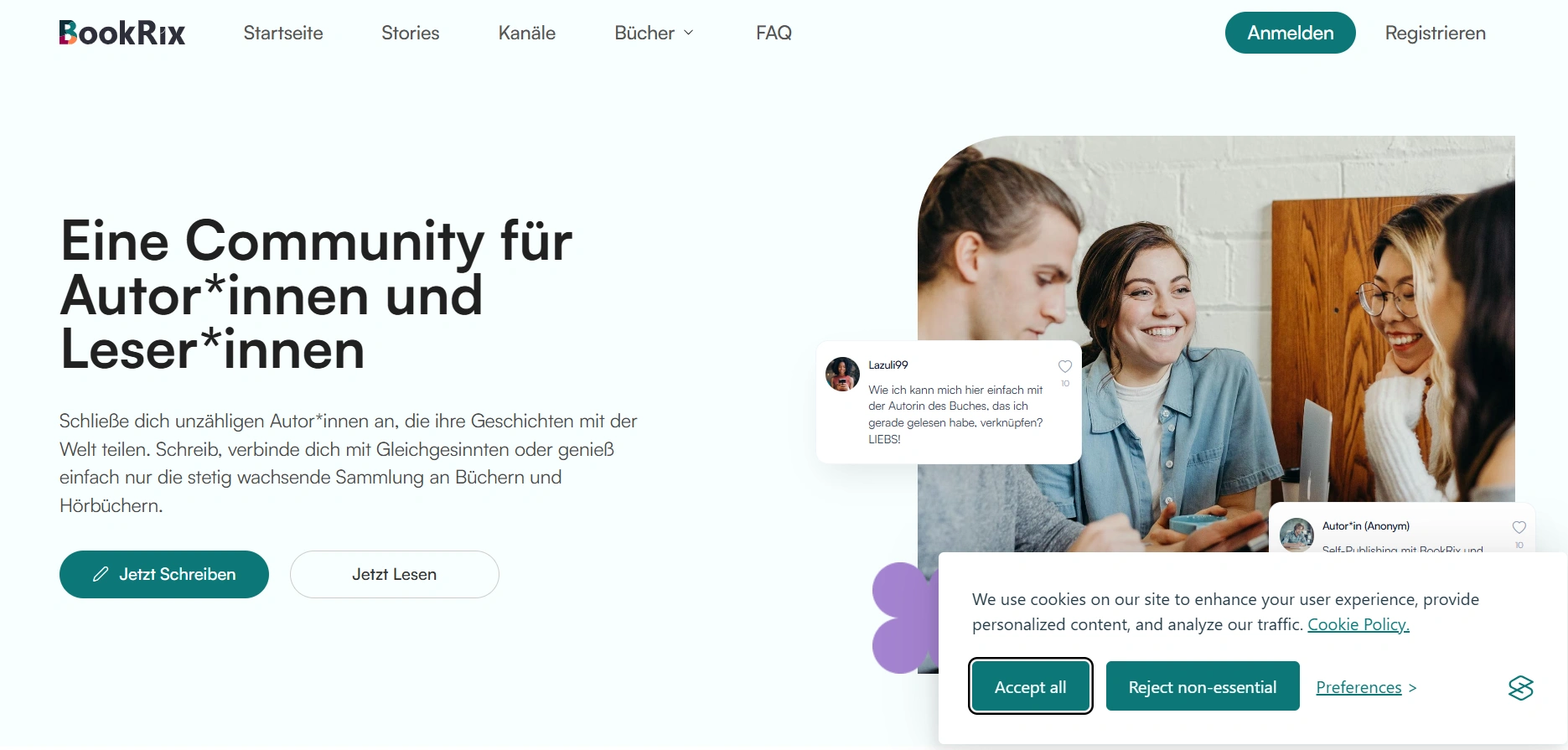
Bookrix allows authors to create, publish, and distribute eBooks with a simple and accessible workflow. It supports both free and paid publishing, which helps authors test ideas, experiment with formats, and build early readership. This makes it suitable for authors who are just starting out and exploring self-publishing options.
The platform includes basic tools for formatting and multi-channel distribution with minimal setup requirements. Authors can quickly publish content and update it without technical complexity. However, it lacks advanced features like analytics, strong marketplace reach, and content protection for long-term scalability.
Best For
New authors and experimental publishing
Pros
- Easy to use
- Supports free and paid content
- Quick publishing process
- Low entry barrier
Cons
- Limited advanced features
- Low discoverability
- No strong analytics
- Basic interface
6. Barnes & Noble Press Provides Access to a Trusted Retail Publishing Ecosystem
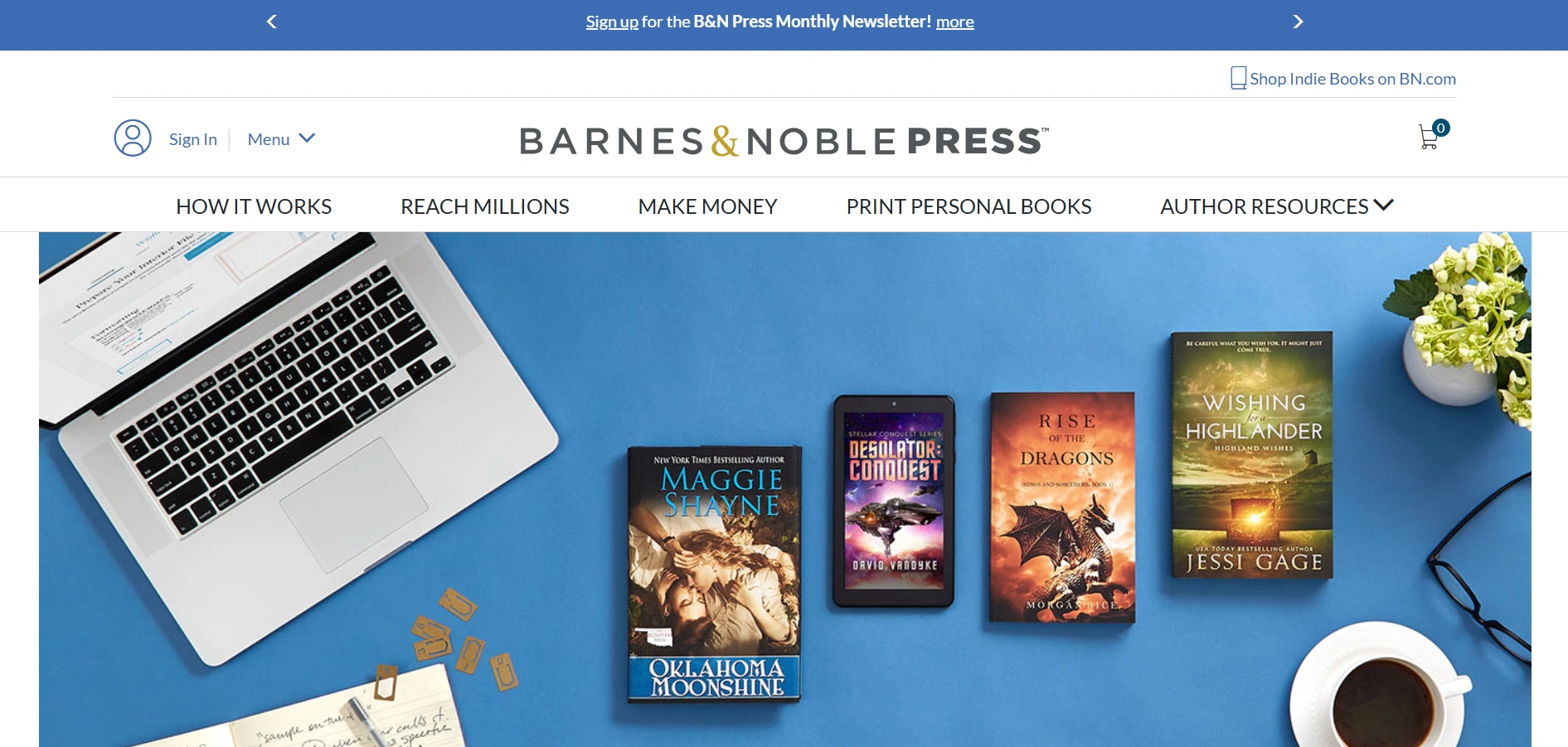
Barnes & Noble Press allows authors to publish eBooks for the Nook platform and reach a well-established retail audience. It provides a structured publishing workflow with tools for pricing, promotions, and content updates. This makes it useful for authors targeting readers primarily in the US market.
The platform offers sales tracking and allows authors to retain full rights without exclusivity requirements. Authors can manage distribution and pricing through a simple dashboard. However, its reach is limited compared to global platforms, which can affect long-term growth and visibility.
Best For
Authors targeting US-based readers
Pros
- Established brand presence
- No exclusivity requirements
- Easy publishing workflow
- Sales reporting tools
Cons
- Limited global reach
- Lower discoverability
- Marketplace dependency
- Fewer marketing tools
7. Apple Books Delivers Premium Content Presentation with Global Distribution
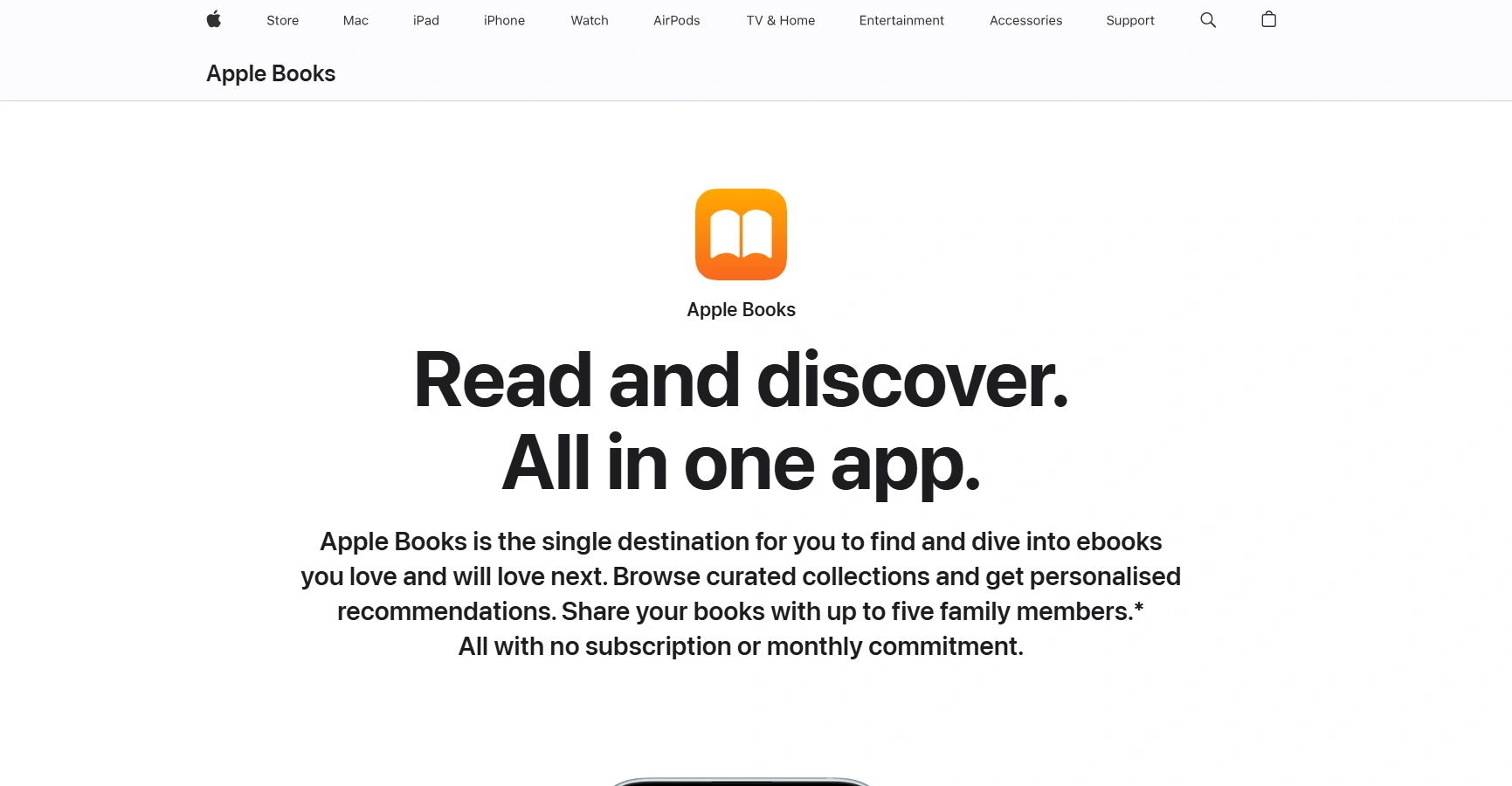
Apple Books allows authors to publish eBooks within a premium ecosystem known for high-quality presentation and user experience. It supports rich formatting and delivers a smooth reading experience across Apple devices. This makes it suitable for authors who want polished content presentation.
The platform offers global distribution and flexible pricing without requiring intermediaries. Authors can manage content directly and update it easily. However, its reach is limited to Apple users, which can restrict audience size compared to broader platforms.
Best For
Authors targeting premium and Apple-focused audiences
Pros
- Premium reading experience
- Global distribution
- Flexible pricing
- Strong formatting support
Cons
- Limited to Apple ecosystem
- Smaller audience than Amazon
- Marketplace dependency
- Requires Apple setup
8. Lulu Enables Flexible Print and Digital Publishing from a Single Platform
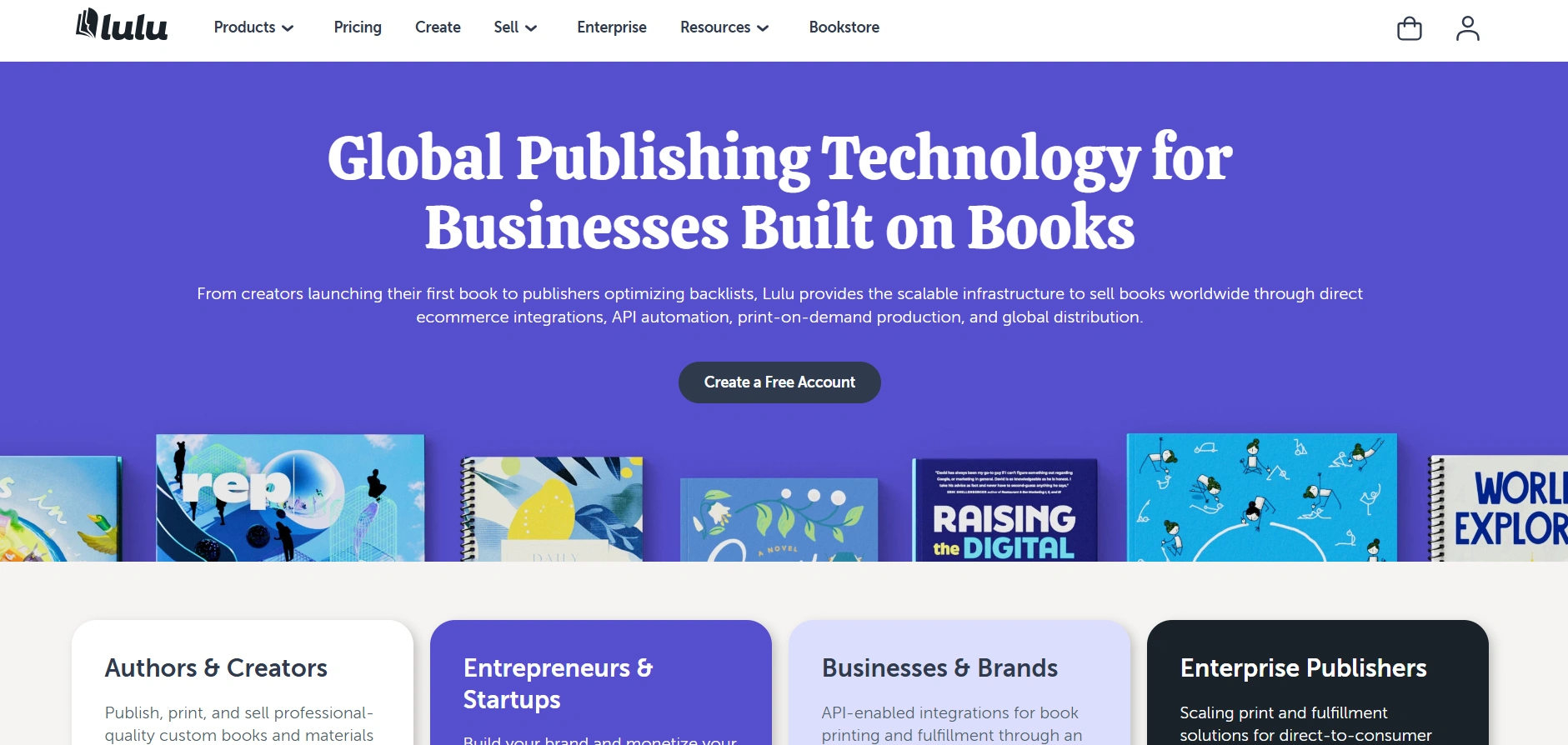
Lulu supports both print and digital publishing, allowing authors to create eBooks and physical books from a single platform. It offers print-on-demand services along with global distribution channels. This makes it useful for authors who want flexibility across formats and sales channels.
The platform provides customization options for layout, pricing, and distribution strategies. Authors can sell directly or through retail networks depending on their goals. However, it requires more setup and effort compared to simpler publishing platforms.
Best For
Authors publishing both print and digital formats
Pros
- Print and digital support
- Global distribution
- Customization options
- Direct sales capabilities
Cons
- Complex setup process
- Higher learning curve
- Limited marketing tools
- Interface can feel outdated
9. Wattpad Helps in Building Audience and Engagement Before Monetization

Wattpad allows authors to publish stories and build a reader base through a highly engaged community platform. It focuses on reader interaction, feedback, and visibility rather than direct monetization. This makes it useful for authors who want to grow an audience before publishing commercially.
Authors can engage with readers through comments and feedback, which helps refine content and improve storytelling. It is widely used for testing ideas and building loyal followings. However, it is not designed for structured publishing or direct revenue generation.
Best For
Authors building audience and engagement
Pros
- Strong reader engagement
- Easy publishing workflow
- Community-driven discovery
- Audience growth potential
Cons
- Limited monetization options
- No structured distribution
- Platform dependency
- Not professional-focused
10. Smashwords Simplifies Multi-Platform Distribution Through a Single Dashboard
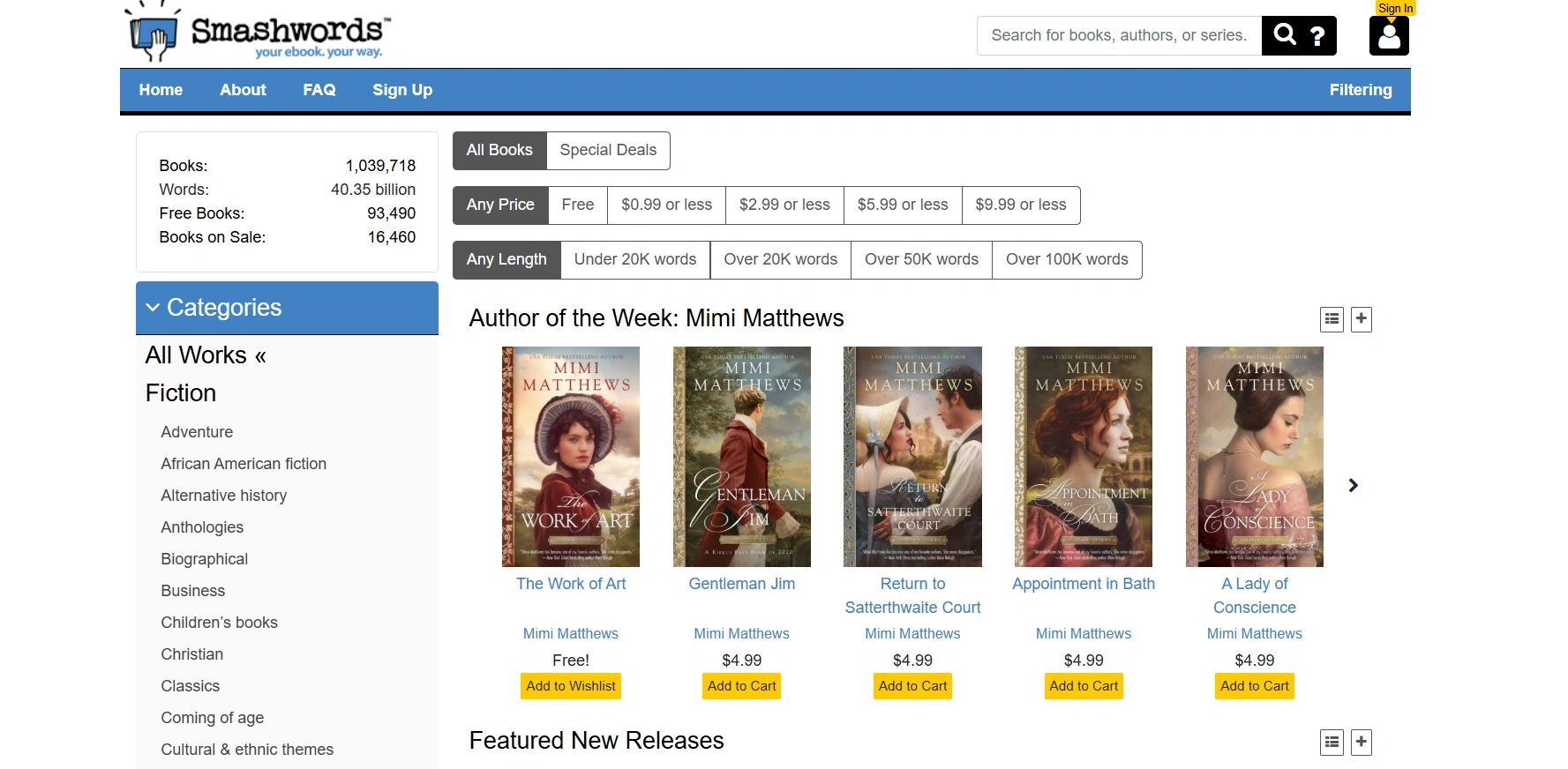
Smashwords helps authors distribute eBooks across multiple retailers through a single platform, reducing the need for managing multiple accounts. It acts as an aggregator, which simplifies distribution workflows for authors. This makes it useful for expanding reach across various marketplaces efficiently.
The platform supports formatting, pricing, and sales tracking across multiple channels. Authors can distribute widely without exclusivity restrictions. However, formatting requirements can be strict and the interface feels outdated compared to newer platforms.
Best For
Authors seeking multi-platform distribution
Why Choose This App
It simplifies distribution across multiple retailers
Pros
- Wide distribution network
- Single dashboard management
- No exclusivity requirements
- Supports multiple formats
Cons
- Strict formatting requirements
- Outdated interface
- Limited marketing tools
- Less direct control
11. Blurb Supports High-Quality Visual Publishing with Strong Design Capabilities
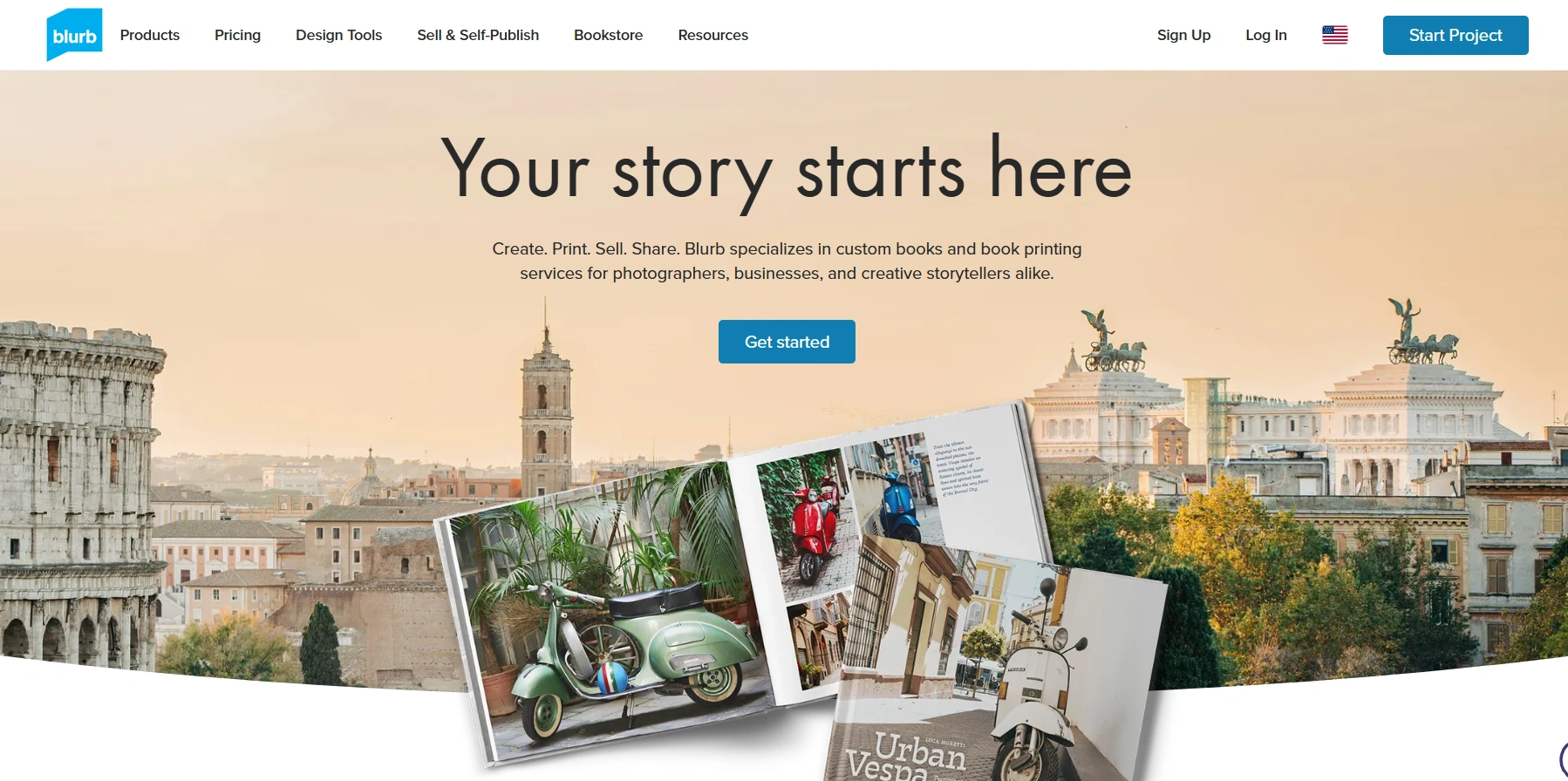
Blurb allows authors to create and publish visually rich books, including photo books, magazines, and design-heavy publications. It focuses on high-quality output and design flexibility rather than mass-market distribution. This makes it suitable for authors working on niche or visual content.
The platform provides strong design tools and print customization options for premium output. Authors can sell through Blurb or external channels depending on their strategy. However, it is not ideal for text-heavy books or large-scale distribution.
Best For
Authors creating visual or design-heavy books
Pros
- High-quality print output
- Strong design tools
- Supports visual content
- Flexible distribution options
Cons
- Limited mass-market reach
- Higher production costs
- Not ideal for text-heavy books
- Complex setup process
Comparison of the Best Publishing Platforms for Authors
| Platform | Best For | Pricing Control | DRM Support | Unique Strength |
|---|---|---|---|---|
| KITABOO | Authors needing control and direct distribution | High | Yes | Secure and interactive publishing with analytics |
| Google Play Books | Global reach | High | Yes | Flexible pricing and international distribution |
| Amazon KDP | High visibility and sales | Medium | Yes | Massive audience and discoverability |
| Kobo Writing Life | International markets | High | Yes | Global reach without exclusivity |
| Bookrix | New authors | Medium | No | Simple and beginner-friendly publishing |
| Barnes & Noble Press | US market focus | Medium | Yes | Access to Nook ecosystem |
| Apple Books | Premium audiences | High | Yes | High-quality content presentation |
| Lulu | Print + digital publishing | High | No | Print-on-demand flexibility |
| Wattpad | Audience building | Low | No | Reader engagement and discovery |
| Smashwords | Multi-platform distribution | Medium | Limited | Wide distribution across retailers |
| Blurb | Visual and niche publishing | High | No | High-quality print and design tools |
How to Choose the Best Publishing Platforms for Authors?
Choosing the best publishing platforms for authors depends on your goals, content type, and how you want to reach readers. Some platforms focus on quick publishing and visibility, while others offer more control and ownership. The right choice should support both your current needs and long-term growth.
1. Define Your Publishing Goals to Avoid Platform Limitations
Start by identifying what you want from a publishing platform before making a decision. Some authors focus on reach and sales, while others prioritize control and audience ownership. Your goals will determine whether you need a marketplace-driven or direct distribution approach. Choosing based on goals helps avoid switching platforms later.
2. Evaluate Distribution and Reach to Maximize Visibility
Different platforms offer different levels of reach depending on their ecosystem and audience size. Marketplace platforms provide instant visibility, while direct platforms give more control over distribution. Authors should consider where their target audience is most active. A balanced strategy can improve both reach and long-term growth.
3. Check Monetization and Pricing Flexibility to Optimize Revenue
Not all platforms offer the same level of control over pricing and royalties. Some restrict pricing models, while others allow full flexibility and promotions. Authors should choose platforms that align with their revenue strategy. Better pricing control can directly impact earnings over time.
4. Consider Content Control and Ownership to Protect Your Work
Many platforms limit how much control authors have over their content and audience data. Direct publishing platforms offer more ownership, while marketplaces retain most control. Authors should evaluate how much access they have to their readers. Strong ownership ensures long-term sustainability.
5. Look for Scalability and Features to Support Audience Growth
As you publish more content, your focus should shift from just managing books to reaching more readers. The right platform should help you expand your audience through better distribution, visibility, and reader engagement insights. These capabilities allow you to refine your strategy and improve content performance over time. A strong platform supports both content growth and audience expansion without forcing you to switch later.
Key Takeaways
Choosing the best publishing platforms for authors depends on how you want to publish, distribute, and grow your work. Some platforms offer quick access to large marketplaces, while others give you more control over pricing and audience relationships. The right choice should align with your long-term publishing goals, not just immediate visibility.
As your content grows, factors like ownership, monetization flexibility, and scalability become more important. Relying only on marketplace platforms can limit how you connect with readers and manage your content. Authors who think beyond short-term publishing often look for platforms that offer more control and insights.
Platforms like KITABOO enable authors to go beyond traditional publishing by offering secure distribution, interactive content, and reader analytics. If you want to build a scalable publishing strategy with full control, you can explore how KITABOO fits your needs by scheduling a demo.
FAQs
Discover how a mobile-first training platform can help your organization.
KITABOO is a cloud-based platform to create, deliver & track mobile-first interactive training content.