Best 13 ePUB Readers for Windows in 2026
Summarize this blog with your favorite AI:
Best 13 ePUB Readers for Windows – TL;DR
Choosing the best ePUB reader for Windows depends on how you deliver and manage digital content across users. Basic readers work for simple access, but they lack control, security, and visibility. For digital publishers, content distributors, and L&D teams, these limitations can affect how content is consumed and tracked.
The right ePUB reader should support secure distribution, consistent formatting, and user engagement insights. Features like DRM, analytics, and scalability become critical as content grows. A well-chosen solution improves both content delivery and long-term content performance across teams.
Quick Decision Guide
| ePUB Reader Type | Need | Recommended ePUB Readers |
|---|---|---|
| Enterprise-grade platforms | Secure content distribution with DRM and access control | KITABOO, Adobe Digital Editions |
| Standardized readers | Consistent content formatting and layout support | Adobe Digital Editions, Freda |
| Content management tools | Managing and organizing large content libraries | KITABOO, Calibre, Bibliovore |
| Lightweight readers | Fast and simple access with minimal system usage | Sumatra PDF Reader, Icecream eBook Reader, KITABOO |
| Cross-platform readers | Multi-device accessibility with sync and flexibility | KITABOO, FBReader, Kobo eBooks |
Most teams don’t think about the ePUB reader until something breaks. Content looks fine during creation, but once it reaches users, issues start showing up. Files open differently, access becomes hard to control, and there is no clarity on whether the content is even being used.
For digital publishers, authors, content distributors, and L&D teams, this is not a small problem. The reader becomes a critical part of content delivery, not just a viewing tool. If it fails, your content loses impact, consistency, and measurable outcomes.
The best ePUB reader for Windows helps you avoid this disconnect. It ensures your content is delivered securely, performs consistently, and gives you visibility into usage. In this blog, we break down the top options and how to choose the right one based on your needs.
What is an ePUB Reader for Windows?
An ePUB reader for Windows is a software application that allows users to open and read ePUB files on desktop devices. It displays digital content in a flexible format that adapts to different screen sizes. This ensures a consistent and comfortable reading experience.
For digital publishers, content distributors, and L&D teams, these tools also support structured content delivery and easy navigation. Features like search, bookmarks, and annotations improve usability. Some advanced solutions include access control, analytics, and content protection for better content management.
What are the Top 13 ePUB Readers for Windows?
There are many tools available, but not all are built for structured content delivery. These tools are evaluated based on key factors such as content security, format compatibility, performance, analytics, and scalability.
1. KITABOO Enables Secure, Interactive, and Scalable ePUB Content Delivery

KITABOO is a Windows-compatible digital publishing platform built to deliver ePUB content in a structured and controlled way. It supports complex layouts, multimedia elements, and interactive content without breaking formatting across devices. This makes it suitable for digital publishers and content distributors handling high-value and standardized content libraries at scale.
The platform includes DRM protection, role-based access, and detailed analytics to track how content is accessed and consumed. Enterprise L&D teams and educational institutions can manage distribution, restrict unauthorized usage, and measure engagement across users. This helps improve content effectiveness while maintaining security and consistency.
However, its advanced capabilities are designed for structured workflows and may require a more defined setup compared to basic ePUB readers.
Best For
Digital publishers, enterprise L&D teams, and educational institutions
Pros
- Enterprise-grade DRM and access control
- Supports interactive and media-rich ePUBs
- Detailed analytics on content usage
- Scalable for large content distribution
Cons
- Not designed for individual or casual readers
- Requires onboarding and configuration
- Premium pricing for full feature access
- May feel complex for smaller teams
2. Adobe Digital Editions Delivers Reliable ePUB Reading With Strong DRM Support
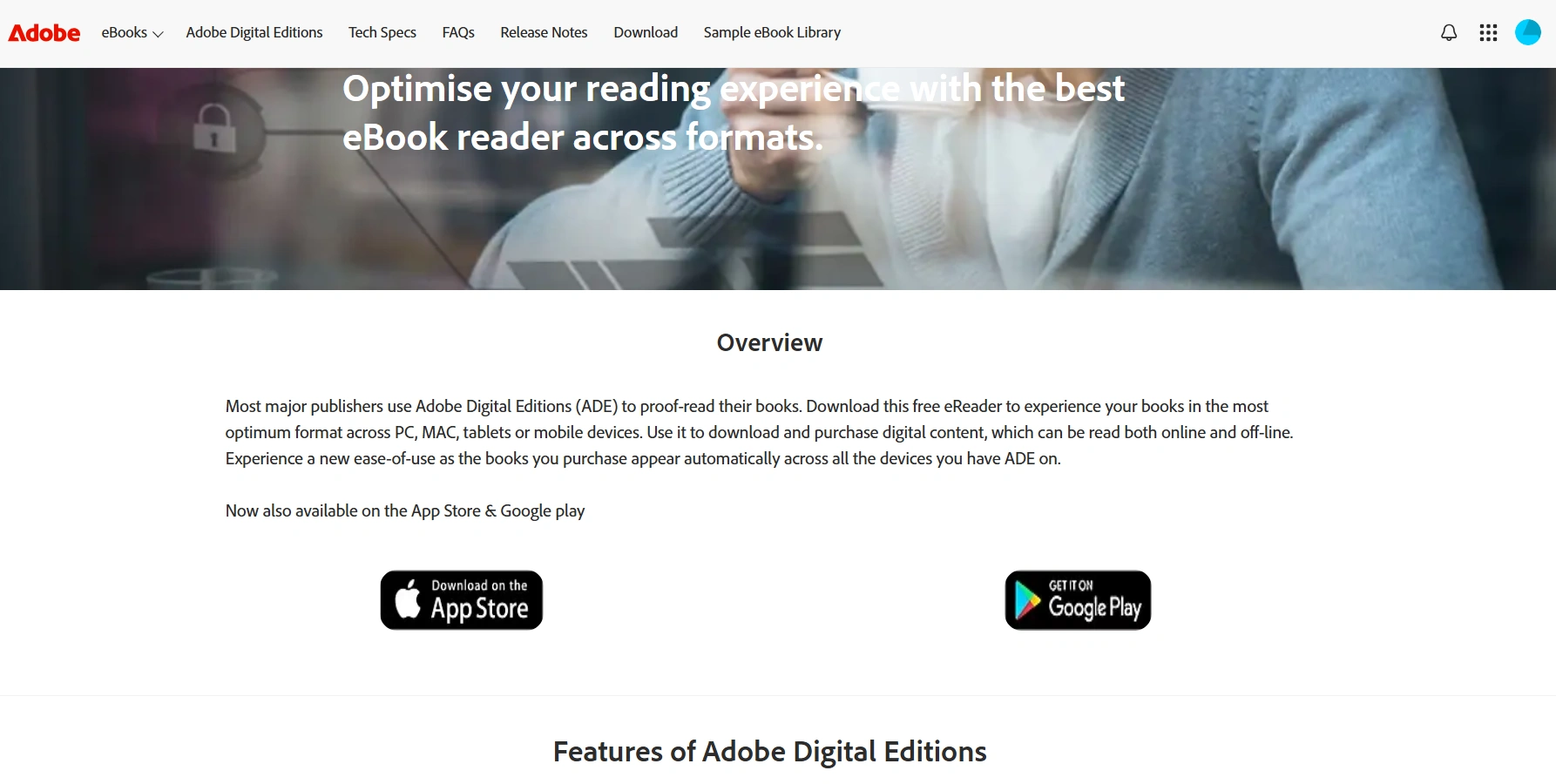
Adobe Digital Editions is a Windows-based ePUB reader focused on reliable rendering and standardized content delivery. It supports both ePUB and PDF formats while preserving layout integrity across devices and screen sizes. This makes it a dependable choice for publishers and distributors who need consistent presentation of licensed or formatted content.
It also supports DRM-protected files, which allows organizations to control access to copyrighted material. Educational institutions and enterprise teams can securely distribute eBooks and training documents without risking unauthorized sharing.
Its integration with Adobe systems also helps manage large digital libraries more efficiently. However, its functionality is focused on core reading and DRM support, with limited flexibility for customization and advanced user experience features.
Best For
Content distributors, publishers, and educational institutions
Pros
- Supports DRM-protected ePUB files
- Maintains consistent formatting
- Simple and focused reading interface
- Trusted Adobe ecosystem
Cons
- Limited annotation capabilities
- Outdated interface design
- Performance issues with large files
- Minimal customization options
3. Calibre Simplifies ePUB Management, Conversion, And Library Organization
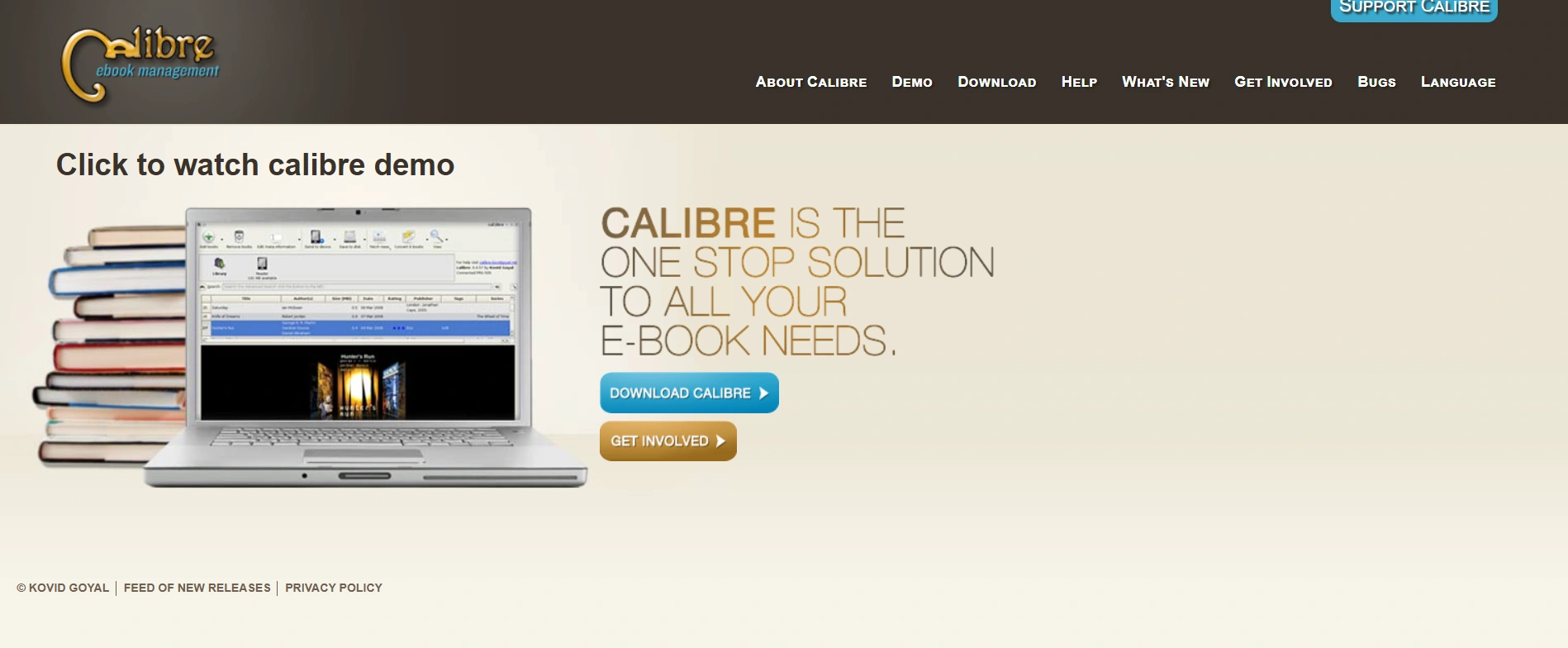
Calibre is an open-source ePUB reader and eBook management tool available for Windows, known for its powerful content handling capabilities. It allows users to organize, convert, and manage large collections of eBooks across multiple formats. This makes it useful for content distributors and publishers who work with diverse file types and bulk content libraries.
It includes advanced features like metadata editing, format conversion, and library organization. Enterprise teams and educational institutions can use it to prepare and structure content before distribution. However, it is more suited for backend content management than secure delivery or controlled access workflows.
Best For
Publishers, content managers, and technical users
Pros
- Supports multiple eBook formats
- Strong library management features
- Advanced conversion tools
- Highly customizable
Cons
- Interface can feel complex
- Not focused on secure distribution
- Requires technical familiarity
- Limited native DRM support
4. Freda Supports Flexible And Accessible ePUB Reading With Cloud Integration
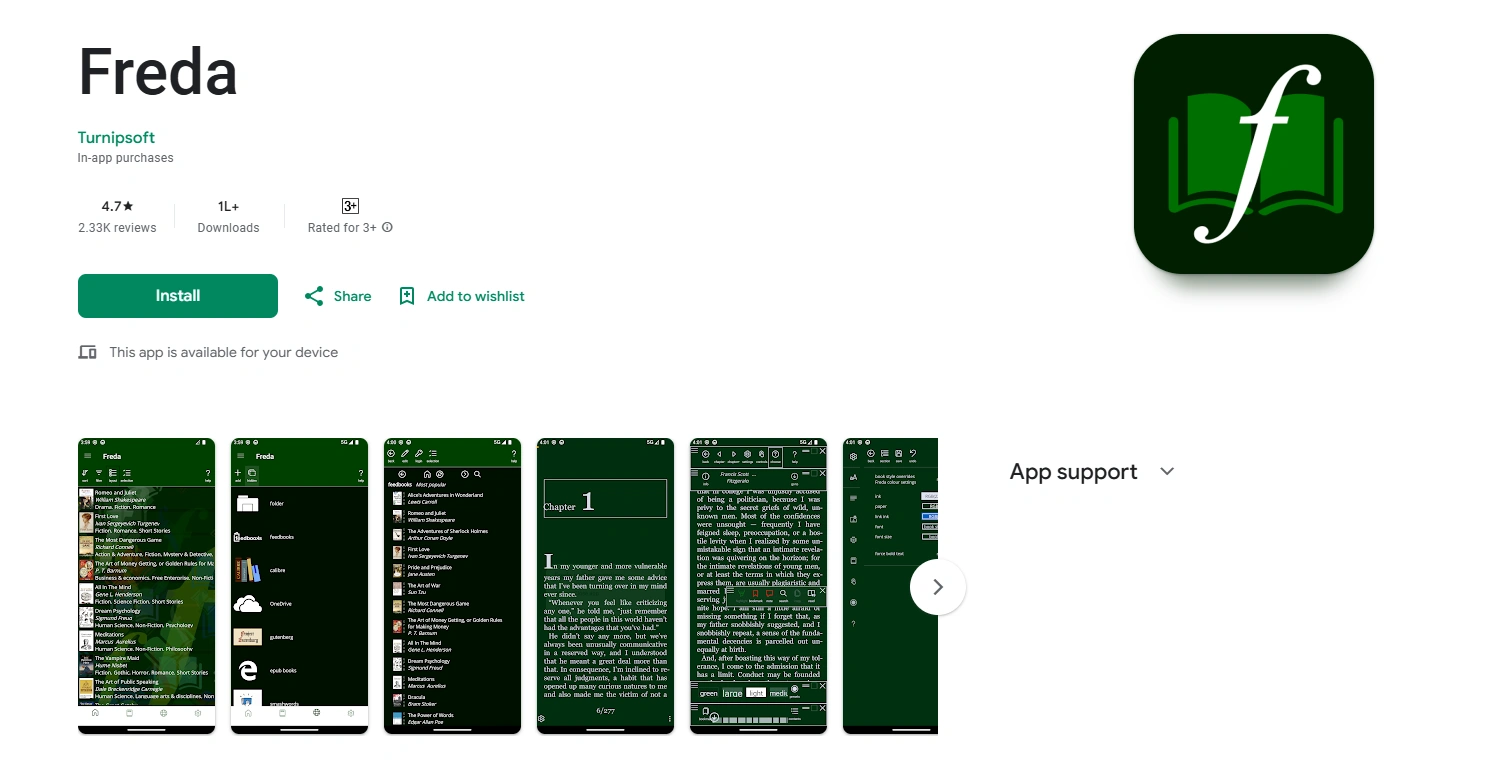
Freda is a Windows ePUB reader designed to offer a flexible and accessible reading experience across different types of digital content. It supports formats like ePUB, FB2, and HTML while maintaining a clean and responsive interface. This makes it useful for educational institutions and content distributors that need to deliver readable material to diverse user groups without compatibility issues.
The app includes features like bookmarks, annotations, and text-to-speech, which improve accessibility and usability for different learners. Educational institutions and L&D teams can use it to support varied reading preferences and accessibility needs. Its integration with cloud sources also allows users to access shared libraries and distributed content more easily.
It works best for general reading and accessibility needs, but does not address requirements like content security, analytics, or controlled distribution at scale.
Best For
Educational institutions and accessibility-focused users
Pros
- Supports multiple formats
- Includes text-to-speech features
- Clean and user-friendly interface
- Cloud library integration
Cons
- Limited advanced security features
- Not ideal for enterprise distribution
- Basic analytics capabilities
- Fewer customization options
5. Kobo eBooks Provides A Seamless ePUB Reading Experience With A Strong Content Ecosystem
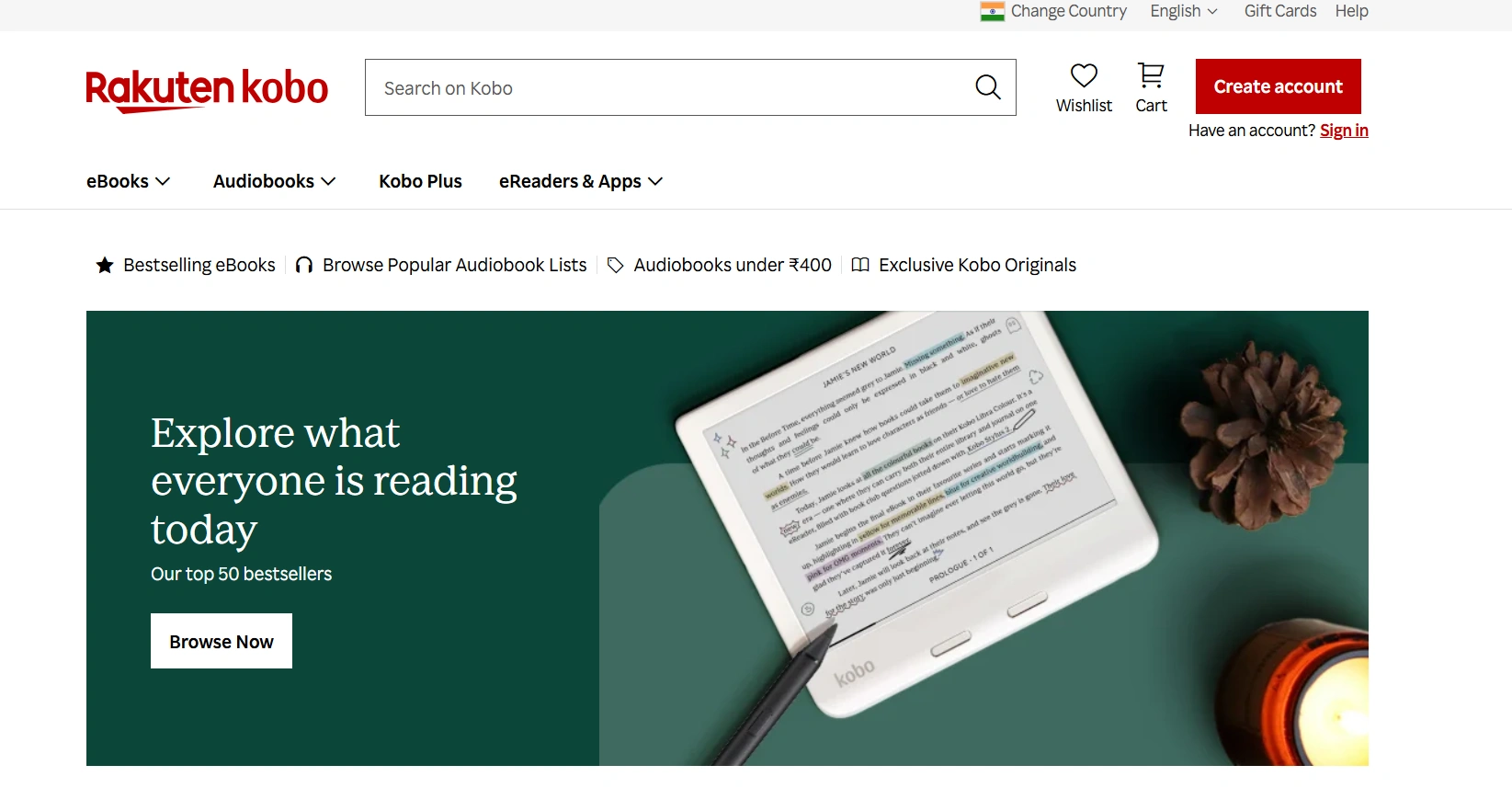
Kobo eBooks offers a Windows app that supports ePUB reading with a strong focus on usability and content access. It provides a smooth and responsive reading experience along with access to a large commercial eBook ecosystem. This makes it useful for content distributors and institutions working with licensed or retail-based digital content across structured libraries.
The platform supports syncing across devices and allows users to customize their reading experience based on preferences. Content distributors can benefit from its organized storefront and structured content delivery model. However, it is more aligned with commercial reading use cases than enterprise-level content control or internal distribution workflows.
Best For
Content distributors and institutions using commercial eBook platforms
Pros
- Access to large eBook library
- Sync across multiple devices
- Customizable reading settings
- Clean and responsive interface
Cons
- Limited enterprise-level controls
- Not designed for internal distribution
- Restricted DRM flexibility
- Dependent on Kobo ecosystem
6. Nook Offers Structured Access To Licensed ePUB Content Through A Retail Platform
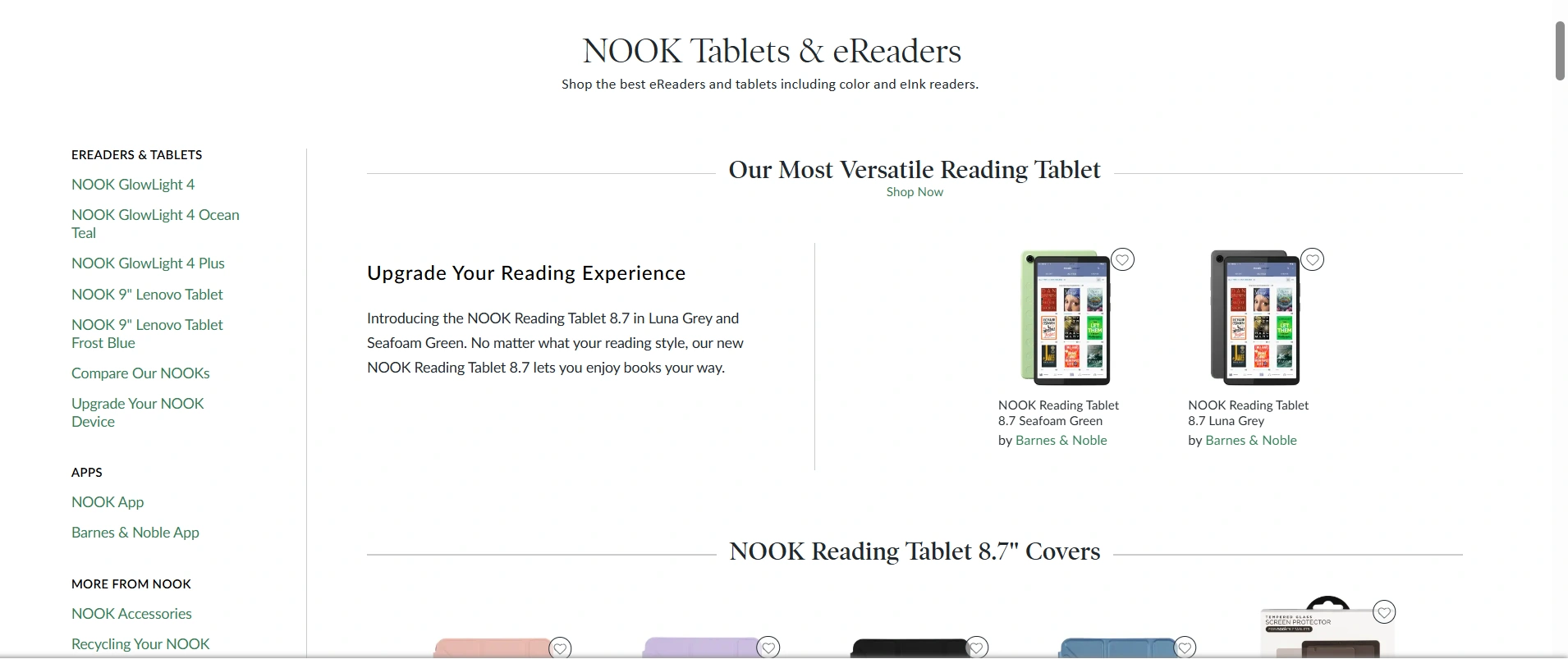
Nook is an ePUB reader platform by Barnes and Noble that provides a structured reading experience on Windows devices. It supports access to licensed eBooks through its ecosystem while maintaining consistent formatting across different screen sizes. This makes it useful for institutions that rely on purchased or subscription-based digital content for distribution.
The app focuses on readability, content organization, and syncing across devices for a consistent user experience. Educational institutions can use it to provide students with access to curated reading material in an organized format. However, it is primarily designed for retail consumption and lacks advanced tools for enterprise distribution or content control.
Best For
Educational institutions and retail content users
Pros
- Access to Barnes and Noble library
- Sync across devices
- Simple reading interface
- Organized content management
Cons
- Limited customization options
- Not built for enterprise distribution
- Restricted ecosystem
- Basic feature set
7. Sumatra PDF Reader Ensures Fast And Lightweight ePUB Access With Minimal System Usage
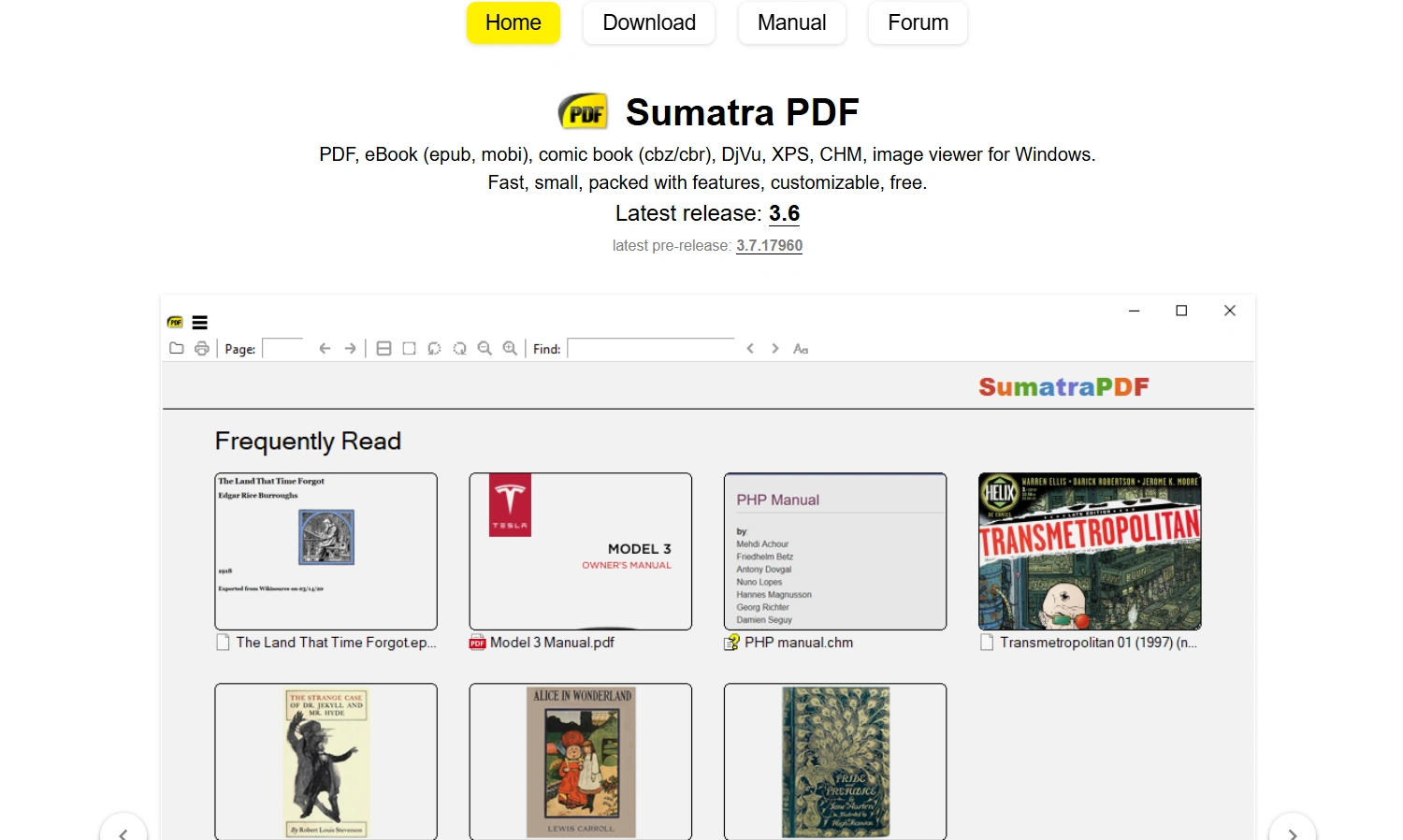
Sumatra PDF Reader is a lightweight Windows application that supports ePUB along with PDF and other formats. It is designed for speed and simplicity, offering a minimal interface without unnecessary features or distractions. This makes it useful for teams that need quick and reliable access to documents without heavy system requirements.
The tool performs efficiently even on low-resource systems and handles large files without noticeable lag. Content distributors can use it for basic access to ePUB files in fast-paced environments. However, it lacks features like DRM, annotations, and analytics, which limits its use in structured enterprise or educational workflows.
Best For
Teams needing lightweight and fast document access
Pros
- Very lightweight and fast
- Supports multiple formats
- Simple interface
- No installation complexity
Cons
- No DRM support
- Lacks annotation features
- No analytics capabilities
- Limited customization
8. Cover Enhances ePUB Reading For Visually Rich And Graphic-Heavy Content

Cover is a Windows eBook reader designed with a strong focus on visual presentation and content experience. It supports ePUB along with comic and graphic-heavy formats, making it suitable for visually rich publications. This makes it useful for publishers and distributors working with design-heavy or media-driven content.
The app offers smooth navigation and an interface optimized for high-quality visual rendering. Content distributors can use it to showcase engaging material in a more immersive format. However, it does not provide enterprise-level features like access control, analytics, or secure content distribution.
Best For
Publishers with visually rich or graphic-heavy content
Pros
- Supports image-heavy formats
- Attractive interface design
- Smooth navigation
- Good performance with visuals
Cons
- Limited security features
- No enterprise-level controls
- Basic annotation tools
- Not suitable for large-scale distribution
9. Bibliovore Helps Organize And Manage Large ePUB Collections Efficiently
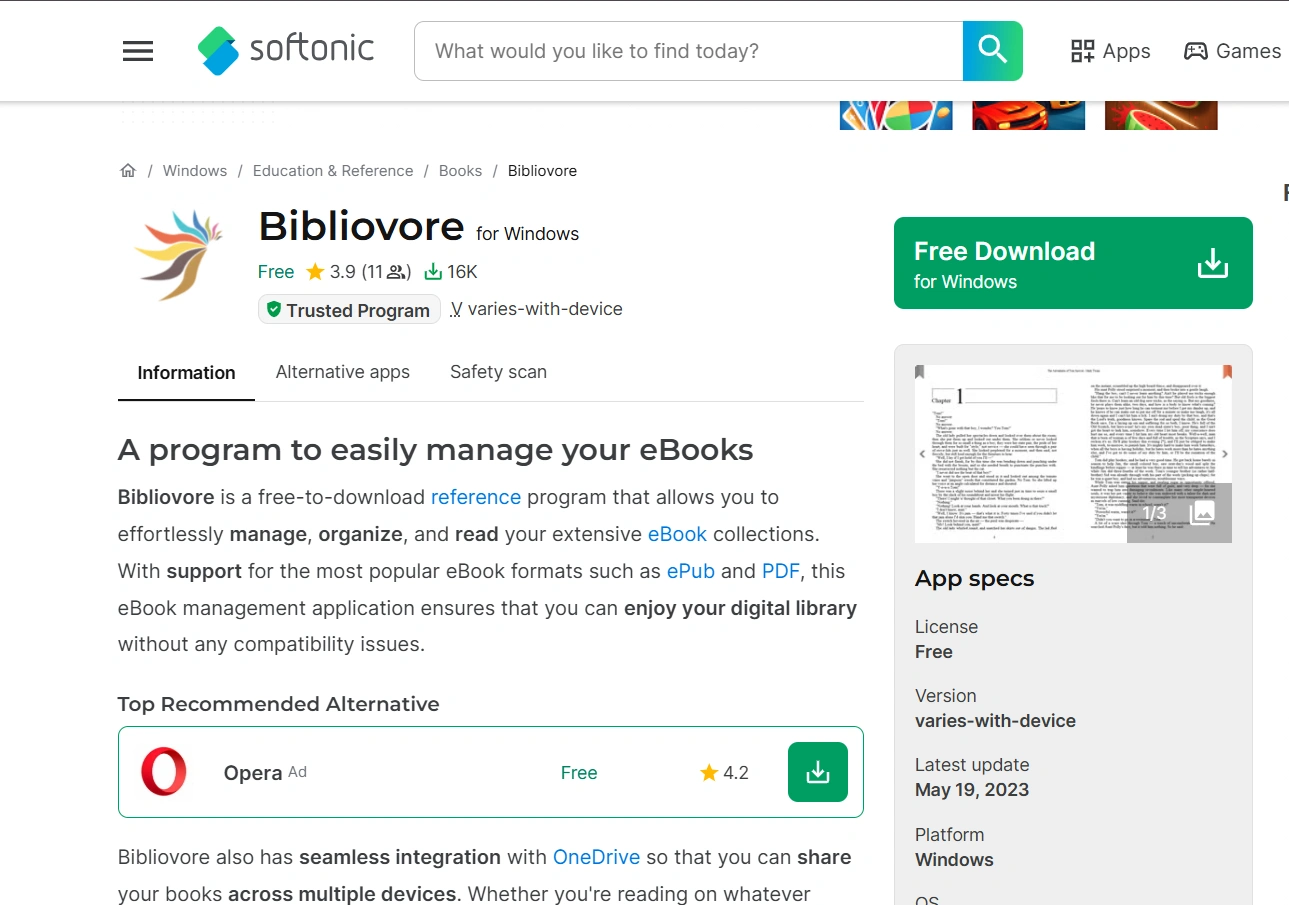
Bibliovore is a Windows ePUB reader designed to help users organize and manage large eBook collections efficiently. It offers features like tagging, categorization, and metadata editing to structure content libraries. This makes it useful for educational institutions and content teams handling multiple files across subjects or departments.
The app allows users to navigate large collections easily and maintain a well-organized digital library. Institutions can use it to manage course material and reference content in a structured format. However, it lacks advanced capabilities like DRM protection, analytics, and controlled distribution features.
Best For
Educational institutions and library management use
Pros
- Strong library organization features
- Supports metadata editing
- Clean interface
- Good for large collections
Cons
- No DRM support
- Limited advanced features
- No analytics capabilities
- Outdated design
10. Aquile Reader Delivers A Modern And Customizable ePUB Reading Experience On Windows
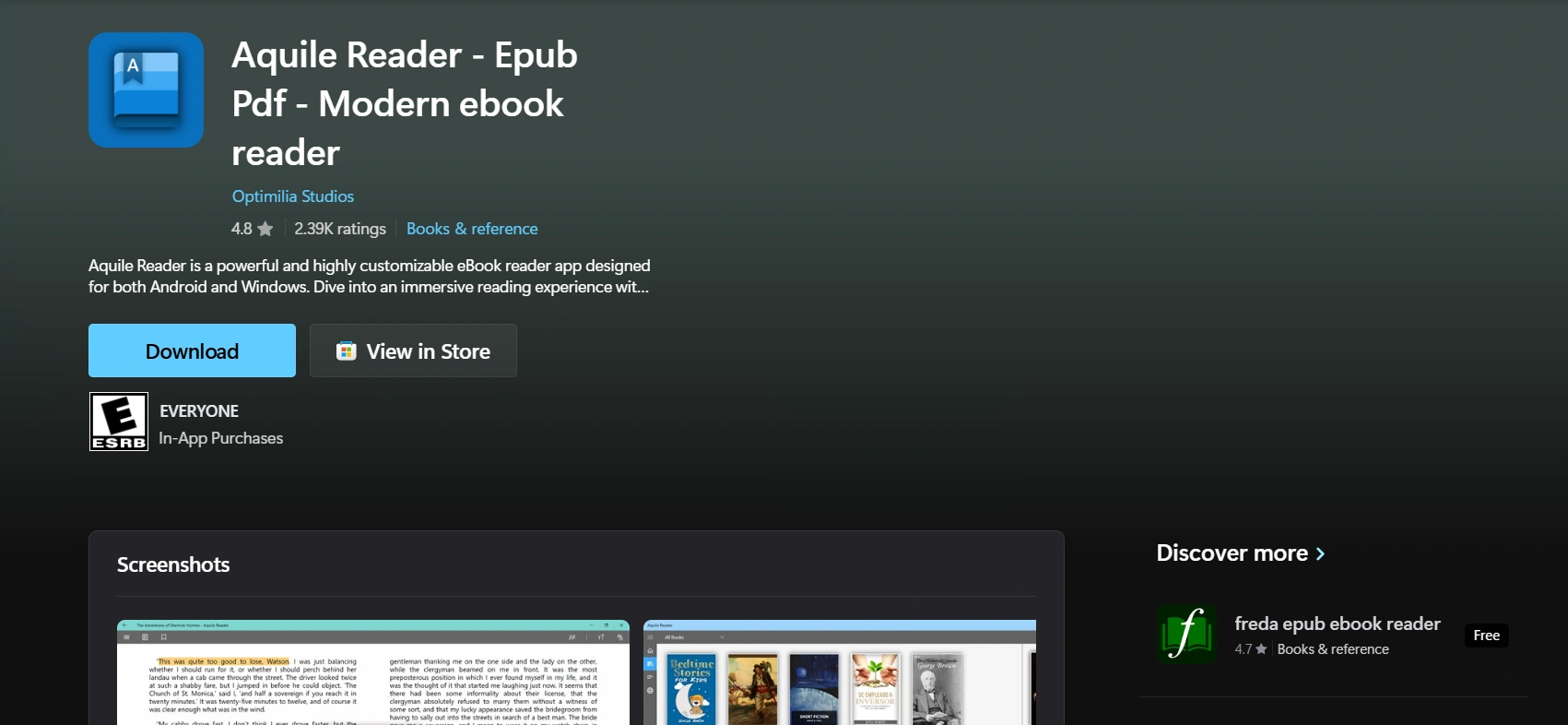
Aquile Reader is a modern Windows ePUB reader designed to deliver a smooth and responsive reading experience. It supports fast rendering, customizable layouts, and a clean interface that adapts well to different content types. This makes it suitable for institutions and teams that prioritize usability and reading comfort.
The app includes features like annotations, highlights, and cloud syncing for better accessibility across devices. Educational institutions and content distributors can use it to improve user engagement and reading efficiency. However, it focuses more on experience than on secure distribution or advanced content control.
Best For
Educational users and modern reading environments
Pros
- Modern and responsive interface
- Supports annotations and highlights
- Cloud sync capabilities
- Good performance
Cons
- Limited DRM support
- Not built for enterprise workflows
- Basic analytics
- Requires setup for syncing
11. Icecream eBook Reader Provides Simple And Organized ePUB Access With Ease
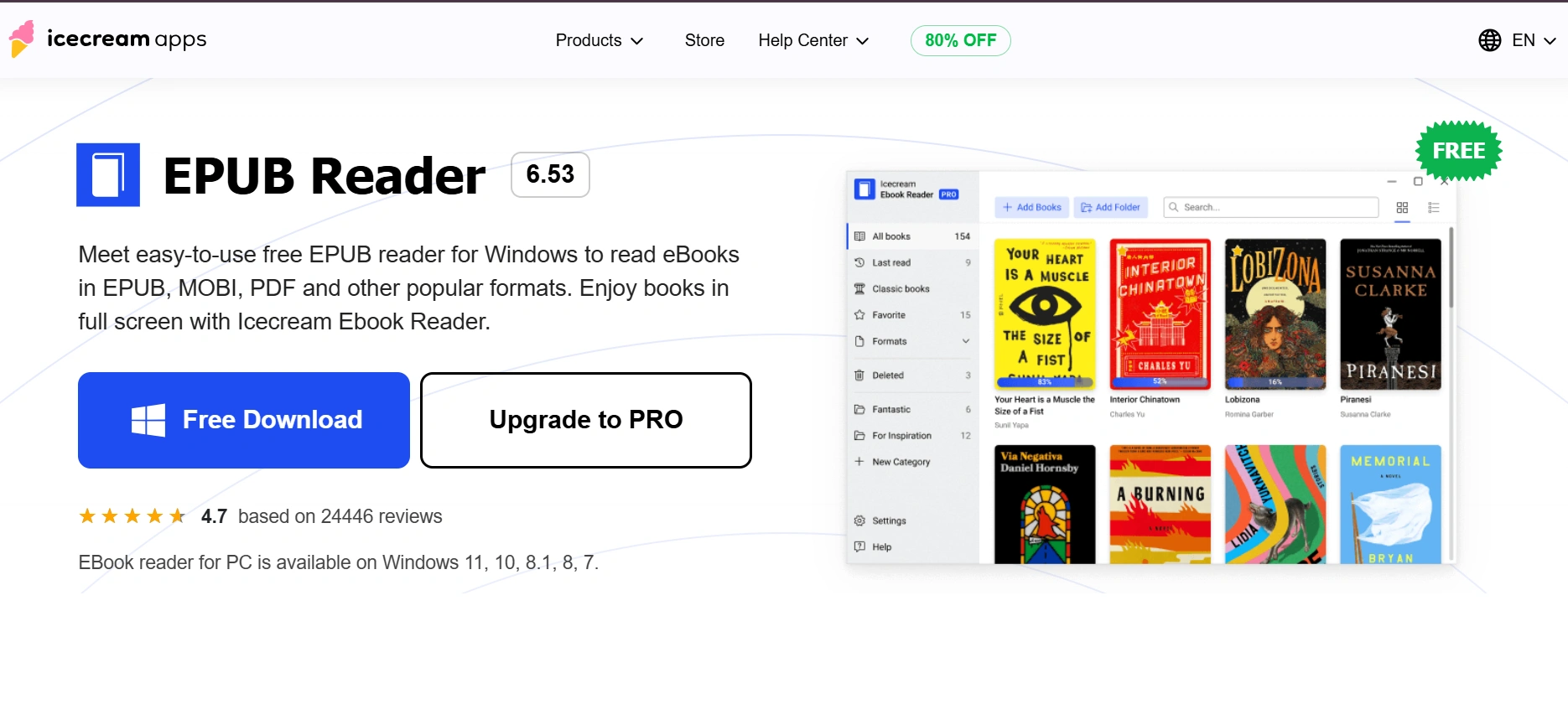
Icecream eBook Reader is a Windows application designed for simple and organized ePUB reading across different file types. It supports multiple formats and provides a structured library view for managing content efficiently. This makes it useful for teams that need easy access to distributed reading material without added complexity.
The app includes features like bookmarks, search, and library organization to improve navigation and usability. Content distributors and institutions can use it for straightforward content access and management. However, it does not offer advanced features like DRM, analytics, or controlled distribution workflows.
Best For
Small teams and simple content distribution
Pros
- Simple and intuitive interface
- Supports multiple formats
- Good library organization
- Easy navigation
Cons
- No DRM capabilities
- Limited advanced features
- No analytics support
- Basic customization options
12. FBReader Enables Flexible ePUB Reading Across Devices With Cross-Platform Support
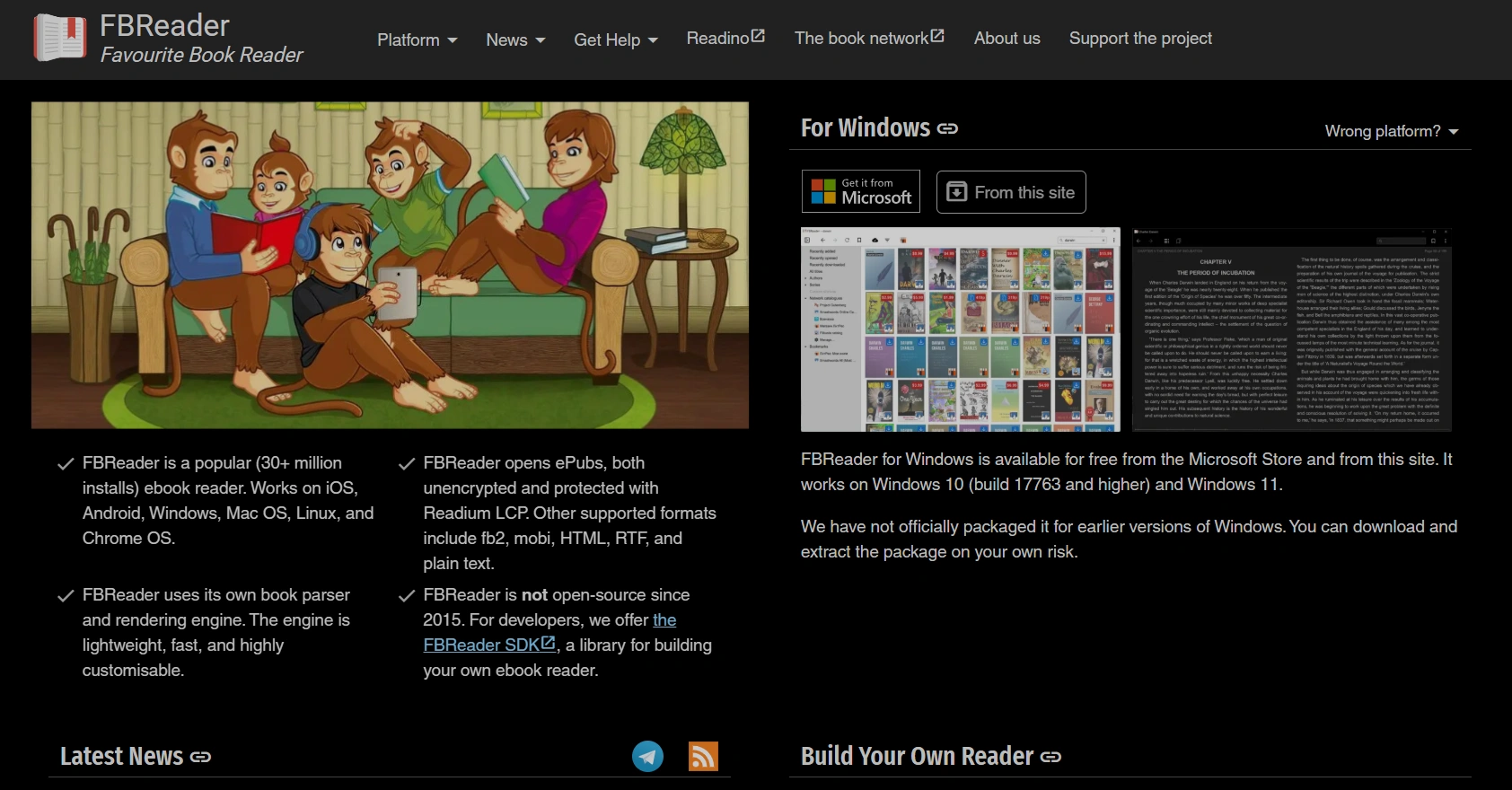
FBReader is a cross-platform ePUB reader that supports Windows through its desktop version. It provides a consistent reading experience across devices with support for multiple formats and flexible layouts. This makes it useful for organizations distributing content across different environments and user groups.
The app includes features like cloud syncing, customization, and access to shared libraries. Content distributors and educational institutions can use it for flexible reading across devices. However, it lacks strong enterprise-level capabilities like DRM protection and detailed usage analytics.
Best For
Teams prioritizing cross-platform content distribution
Pros
- Supports multiple formats
- Cross-platform compatibility
- Customizable interface
- Cloud syncing support
Cons
- Limited DRM support
- Basic feature set
- No advanced analytics
- Not enterprise-focused
13. Bookviser Reader Offers A Clean And Distraction-Free ePUB Reading Experience
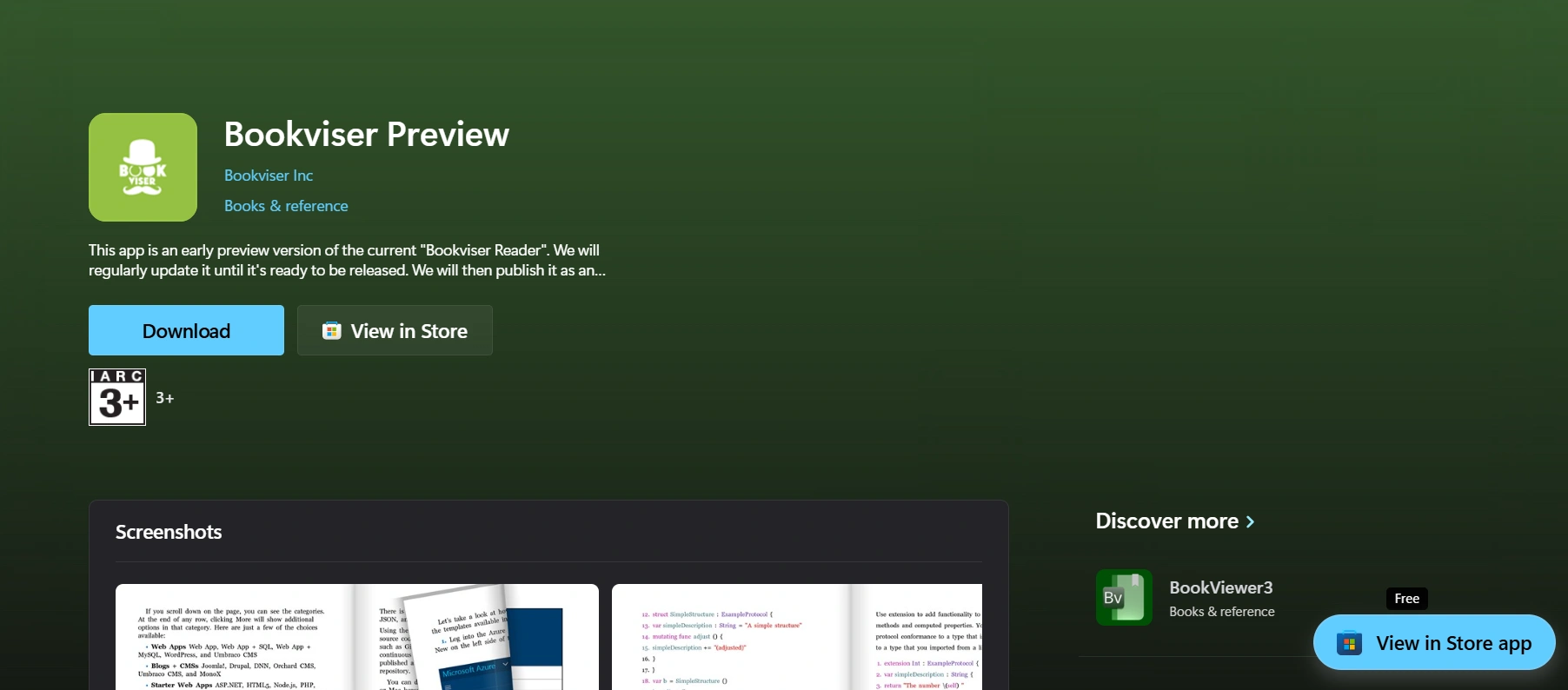
Bookviser Reader is a Windows ePUB reader designed to provide a clean and distraction-free reading experience. It supports offline reading and offers a simple interface for accessing and navigating content. This makes it useful for institutions distributing straightforward reading material without complexity.
The app includes basic features like bookmarks and customization options for improved readability. Educational institutions can use it to deliver content in a simple and focused format. However, it lacks advanced tools required for secure distribution, analytics, or large-scale content management.
Best For
Educational use and simple reading needs
Pros
- Simple and clean interface
- Supports offline reading
- Lightweight performance
- Easy to use
Cons
- Limited advanced features
- No DRM support
- No analytics capabilities
- Not suitable for enterprise use
Comparison of the Best ePUB Readers for Windows
| App | Best For | Key Features | DRM Support | Unique Strength |
|---|---|---|---|---|
| KITABOO | Enterprises, publishers, education | DRM, analytics, interactive content | Yes | Secure and trackable content delivery |
| Adobe Digital Editions | Publishers, distributors | ePUB/PDF support, DRM, library management | Yes | Reliable rendering with Adobe ecosystem |
| Calibre | Content managers | Format conversion, metadata, library tools | Limited | Powerful content management |
| Freda | Education, accessibility | TTS, annotations, cloud integration | No | Accessibility-focused reading |
| Kobo eBooks | Retail distribution | Sync, customization, eBook store | Yes | Large commercial content ecosystem |
| Nook | Institutions, retail users | Sync, licensed content access | Yes | Structured retail content delivery |
| Sumatra PDF Reader | Lightweight use | Fast performance, multi-format support | No | Minimal and fast performance |
| Cover | Visual content publishers | Image-heavy support, UI design | No | Optimized for visual content |
| Bibliovore | Library management | Tagging, metadata, organization | No | Strong content organization |
| Aquile Reader | Modern readers | Annotations, sync, customization | Limited | Clean and modern experience |
| Icecream eBook Reader | Simple distribution | Library, bookmarks, search | No | Easy content access |
| FBReader | Cross-platform use | Sync, customization, multi-format | Limited | Multi-device flexibility |
| Bookviser Reader | Basic reading | Offline access, simple UI | No | Distraction-free reading |
How to Choose the Best ePUB Reader for Windows?
Choosing the best ePUB reader for Windows depends on how your organization creates, distributes, and tracks content. The right tool should support both content access and control. A well-matched solution improves usability, security, and overall content effectiveness.
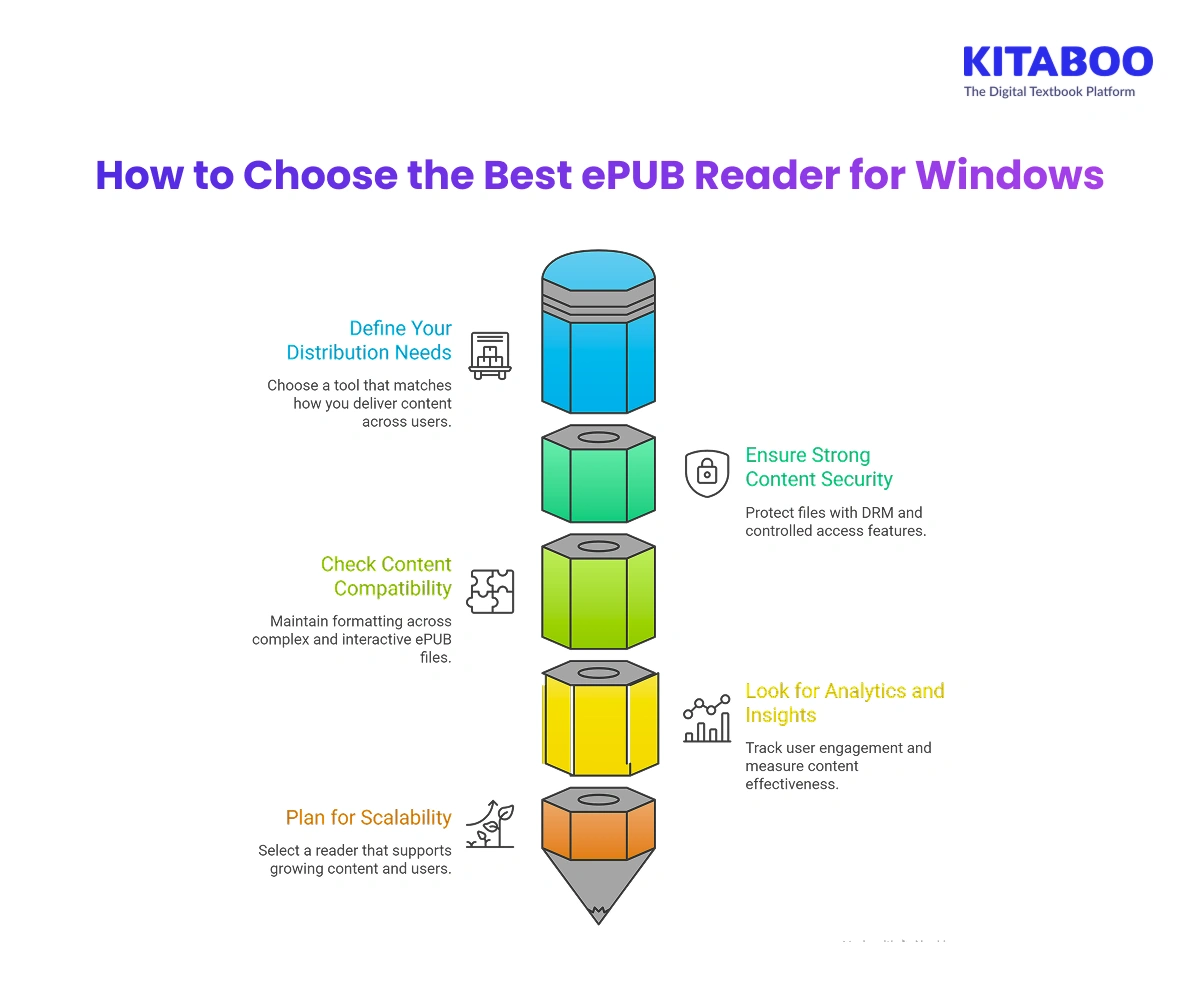
1. Identify Your Content Distribution Needs to Avoid Limitations
Start by understanding how you deliver ePUB content across users and teams. Some organizations need simple access, while others require structured distribution with permissions. Digital publishers and L&D teams often handle large content libraries. Choosing based on distribution needs prevents workflow gaps later.
2. Evaluate DRM and Security Features to Protect Content
Content protection is critical when working with licensed or proprietary material. Look for tools that offer DRM, access control, and secure sharing. These features help prevent unauthorized usage and content leaks. This is especially important for publishers and enterprise environments.
3. Check Content Compatibility to Maintain Formatting
Not all readers handle complex ePUB files the same way. Test how the tool supports multimedia, layouts, and interactive elements. Poor compatibility can break formatting and affect user experience. A reliable reader ensures consistent content presentation across devices.
4. Look for Analytics and Tracking to Measure Engagement
Understanding how users interact with content helps improve outcomes. Some tools provide insights into reading behavior and completion rates. This is valuable for L&D teams and educators measuring effectiveness. It also helps publishers optimize their content strategy.
5. Assess Scalability to Support Growing Content Needs
As content libraries grow, your reader should scale without performance issues. Check how the tool handles large volumes of files and users. Enterprise teams and institutions often require this flexibility. A scalable solution supports long-term growth.
Key Takeaways
Choosing the best ePUB reader for Windows depends on how you manage and deliver digital content. Basic tools may work for simple reading needs. However, digital publishers, content distributors, and L&D teams require more control, security, and scalability.
Features like DRM, analytics, and structured access play a key role in content effectiveness. They help ensure your content is not only delivered but also used as intended. This becomes critical when working with training material, academic content, or proprietary documents.
Platforms like KITABOO go beyond standard reading by enabling secure distribution and real-time insights. If your goal is to manage, protect, and optimize ePUB content at scale, KITABOO offers a reliable solution. Schedule a demo to see how it can support your digital publishing and learning workflows.
FAQs
Discover how a mobile-first training platform can help your organization.
KITABOO is a cloud-based platform to create, deliver & track mobile-first interactive training content.